

The Meridian
Both Zeitlin and Celan, in their respective manifestos, privilege art and poetics as a site for the conscious enactment of this alienation from reality.
Sanctify Yourself!
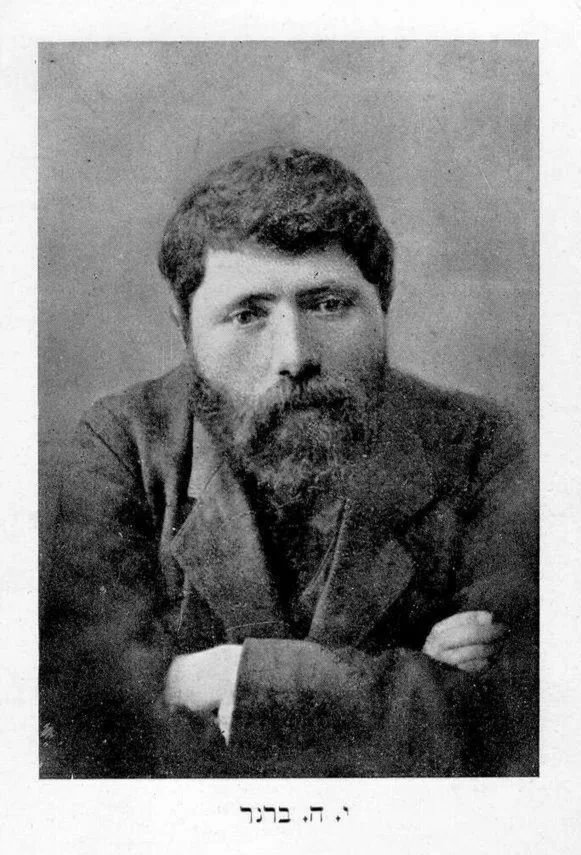
Is there such a thing as Jewish Existentialism? The answer is yes, and the person considered the pioneer is Yosef Haim Brenner.
‘At the Threshold of the Book’
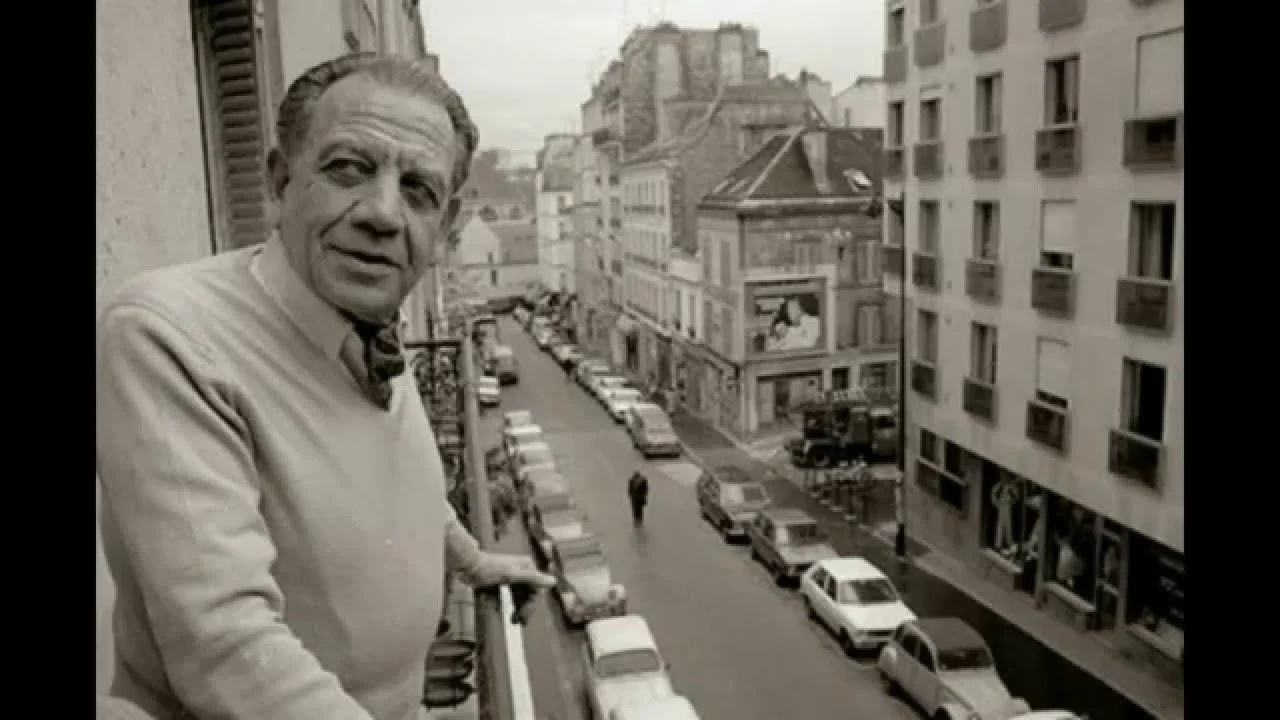
The qualities of Jewishness and of writerliness are intermingled for Jabes.

The Secret of Yiddish
If Hebrew is understood as the holy language, Yiddish is the kabbalistic language, meaning in this case that it expresses divinity through contradiction. A translation of Aaron Zeitlin.
A Letter from Amsterdam
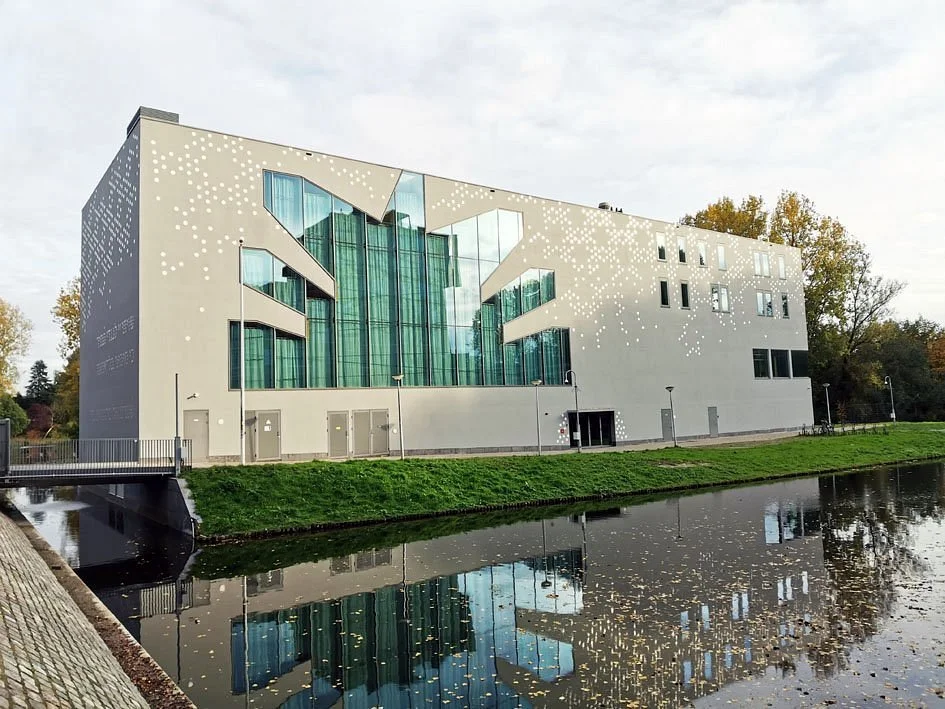
When people ask me what it’s like to be a Jew in Amsterdam, I often explain that it’s like living in a graveyard.
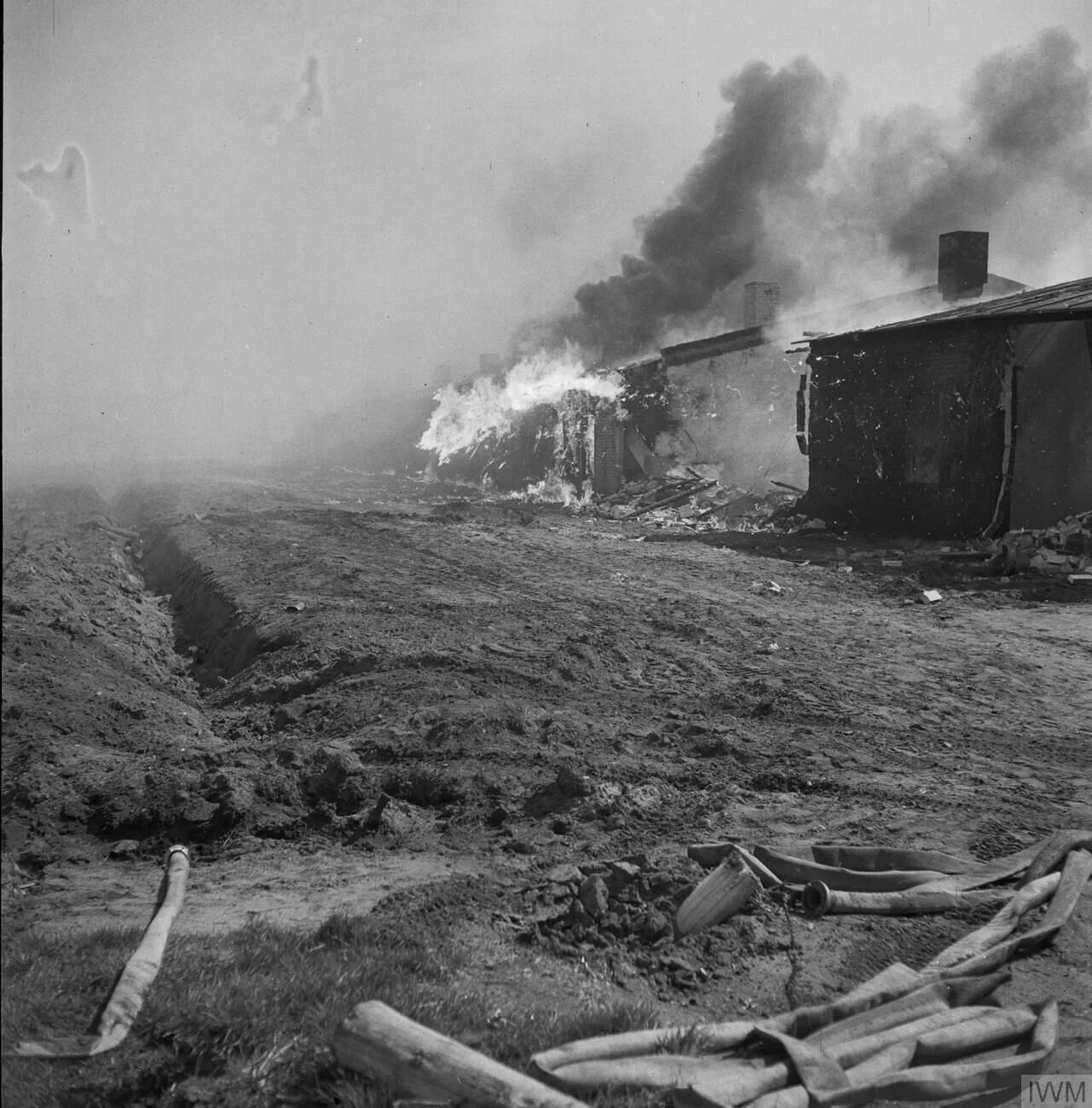
“Bergen-Belsen: Instead of a Poem”
“No such revelation, no such consolations ever spoken in the world / Could ever be an answer to the catastrophe.” A translation of Aaron Zeitlin.
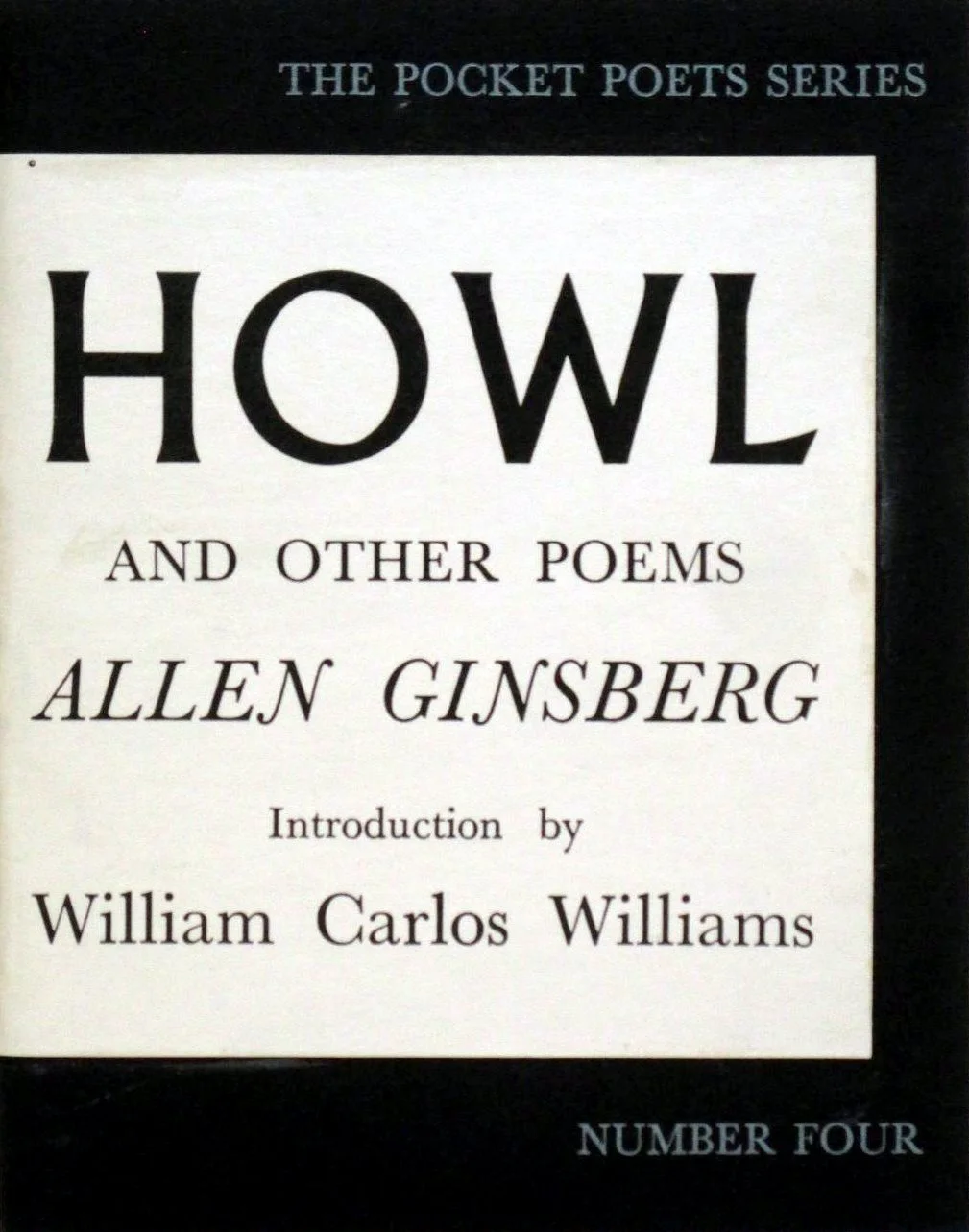
Confronting Conformity
There are so many people and so many parts of lived experience that make me want to say Kaddish.
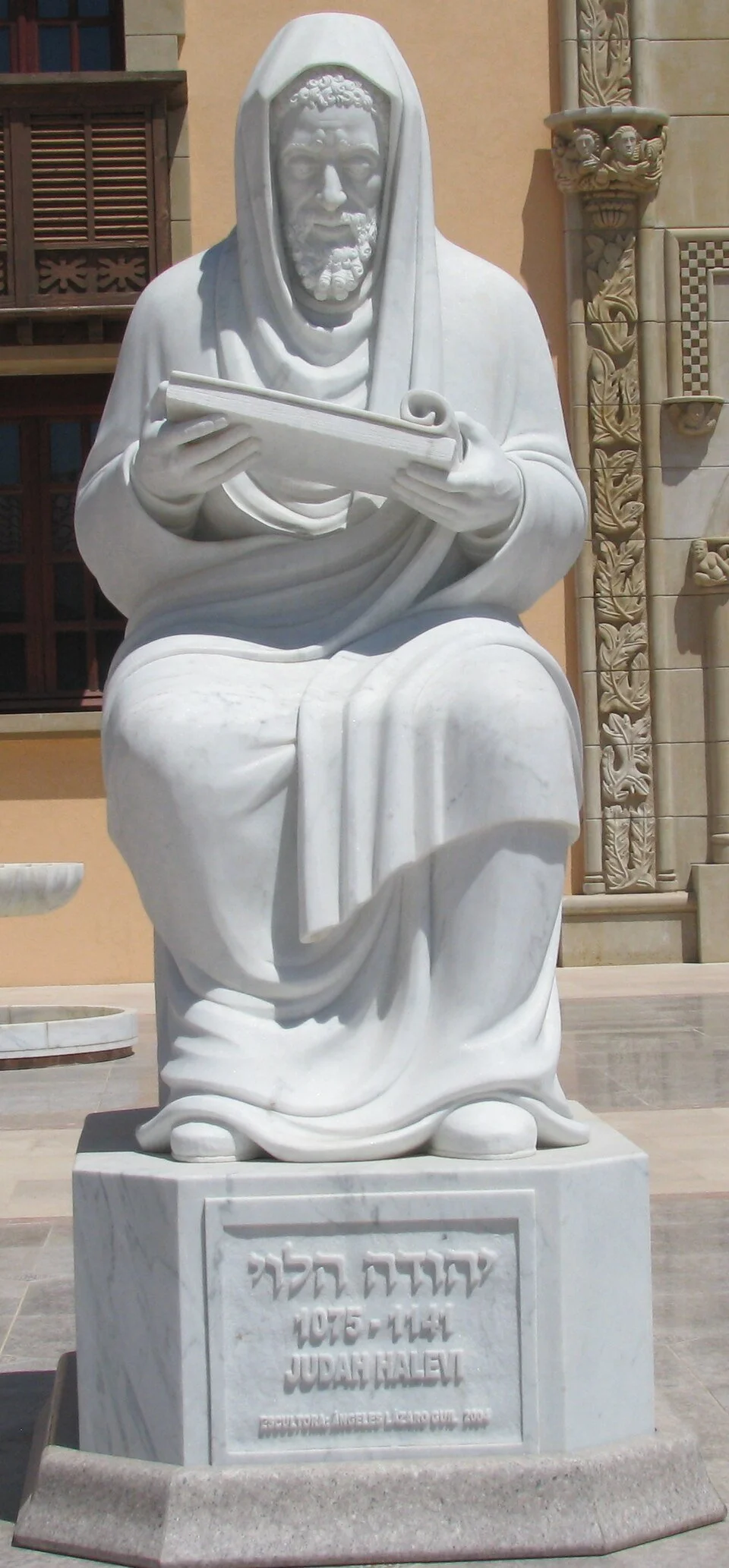
More than Revelation
If I was the Kuzari, I would consider converting to Judaism just so I could learn the art of argument…

Faithful to Our Inner Selves
‘‘And anyone who is not lame or blind but pretends to be as one of these, he will not die of old age before he actually becomes one of these.’’

Institutionalizing Innovation
The throughline between Italian Futurism and Zionism is that, the positivity about the future that both projected took a beating when they tried to move from theory to the creation of societies founded on their idealistic interpretations and projections of the possible futures based on their reasonable observations of reality.
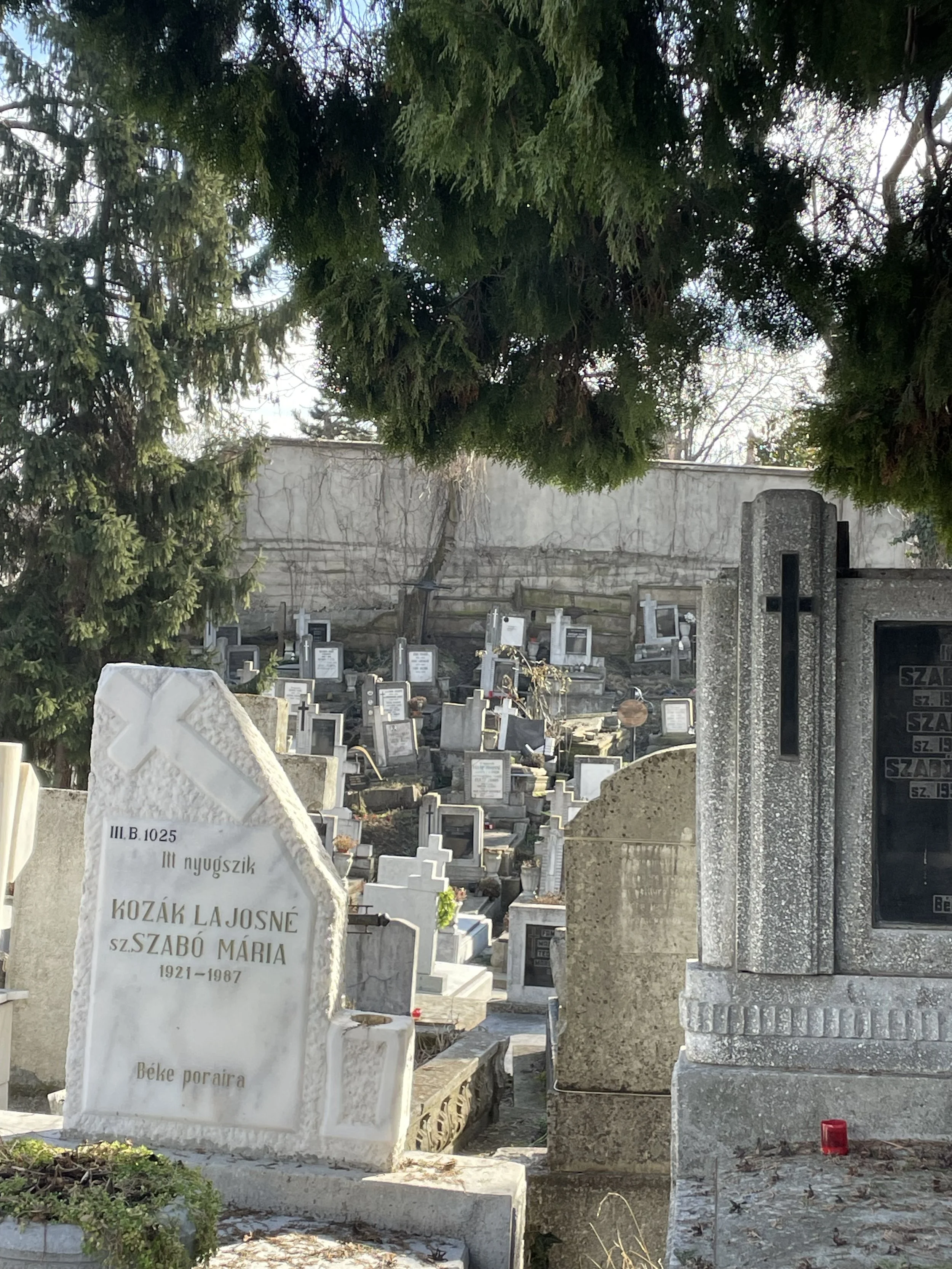
"Not Too Jewish for an Icon"
I am exploring how my Jewishness relates to an interest in Christianity. It’s no secret that I like to deconstruct the boundaries between our religious traditions—in the past, I have written about the interaction between Sufism and Kabbalah, and neo-Platonism which in turn influenced Christian mystics as well.

A 14th Century Purim Piyyut
Inspired by Purim, I took a look at a piyyut called "Kikhlot Yeini." The earliest version of it is housed in the Masekhet Purim manuscript in the Italian Biblioteca Palatina, is dated to the 14th century, and was, perhaps incorrectly, attributed to R. Shlomo Ibn Gabirol.

Positive Rebellion
“WHAT is a rebel? A man who says no: but whose refusal does not imply a renunciation. He is also a man who says yes as soon as he begins to think for himself. A slave who has taken orders all his life, suddenly decides that he cannot obey some new command.”
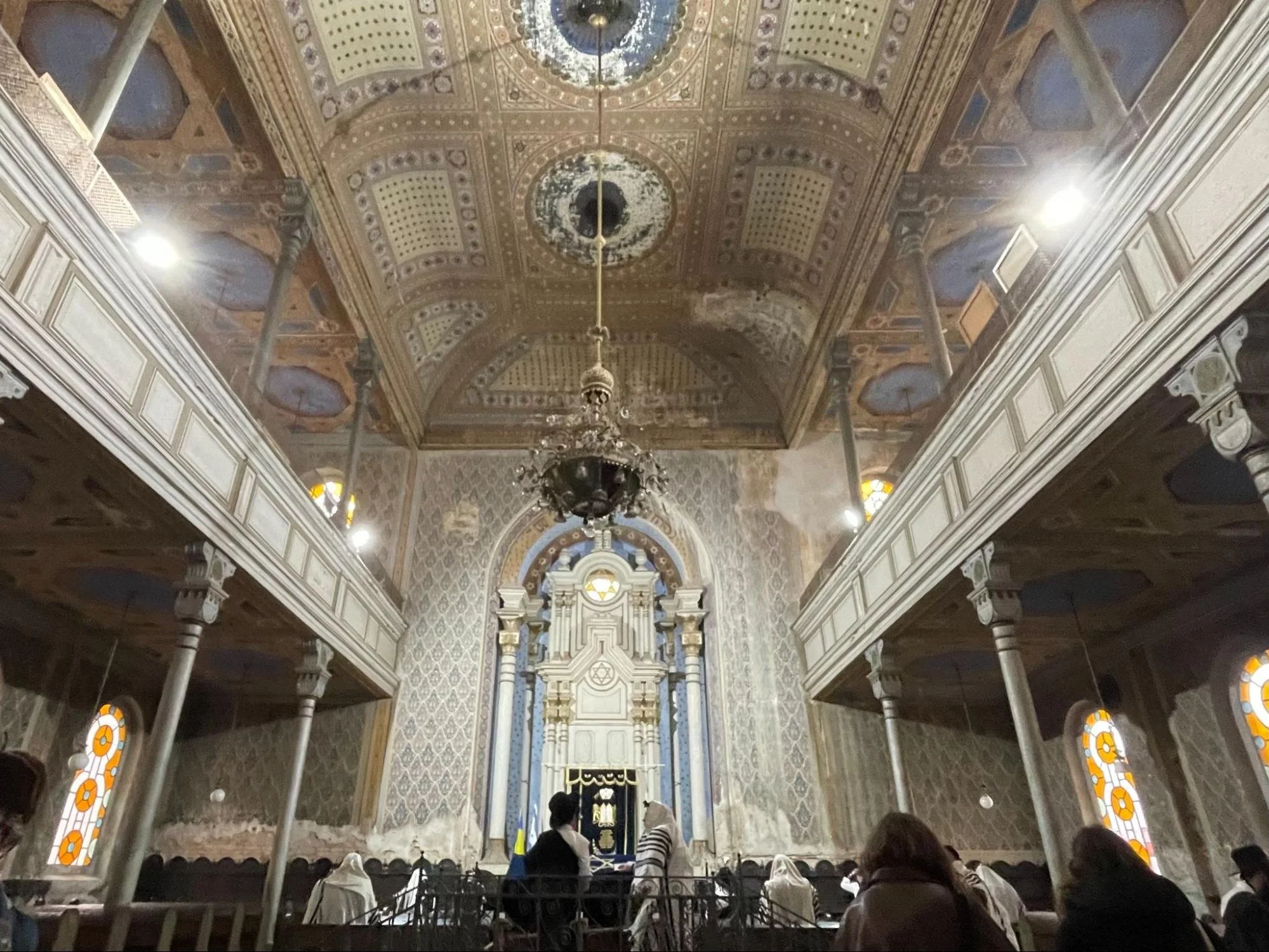
Dreams in Romania
On the 24-hour journey home from Romania, refrains from two poems were ringing in my mind. The two poems are "Corona" by Paul Celan and "Once I Was Young" by Anna Margolin.
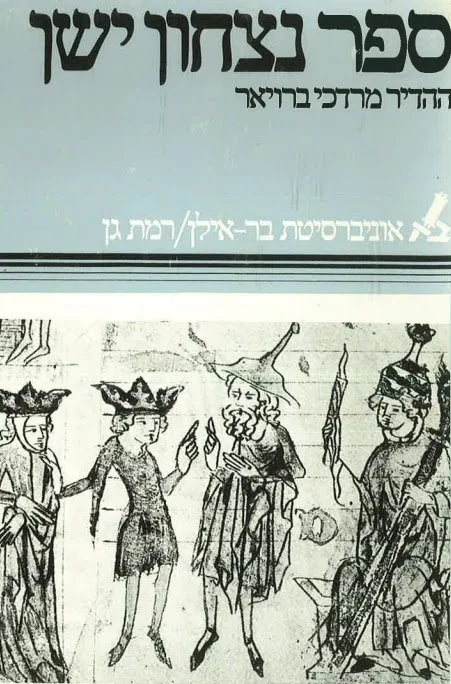
Defending Rabbinic Authority
The Torah provides short, unfinished and sometimes absurd commandments which, if not interpreted, can lead to ridiculous situations at best, or be extremely dangerous at worst.

Wonders of Creation
As I came to the corner and stopped to wait for the light I was overcome with a sense of appreciation and wonder. I could feel the magnificence of creation and I was grateful that I got to be a part of it for a brief moment in eternity.
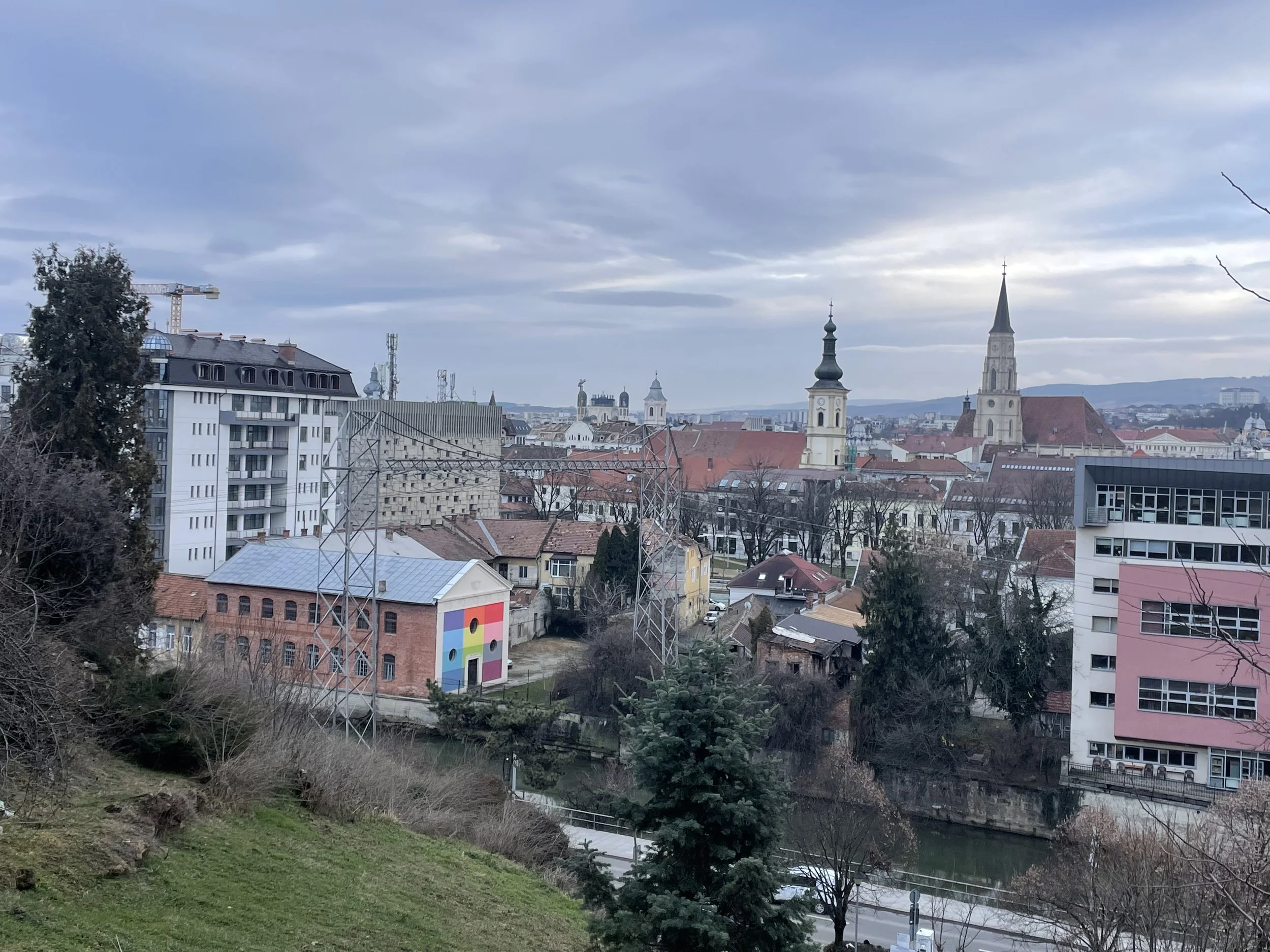
אַ בריװ פֿון רומאַניע
עפּעס אַ ביסל מאָדנע איז געשען מיט זיך אַלײן די וואָך: איך האָב אַנטדעקט מײַן אינטערעס אין קריסטלעכקײט.
The Gate of Abstinence
“The plain meaning of abstinence is to bridle the inner lusts and to refrain from something that one has the ability and opportunity for due to a reason which obligates this. It is said: "the abstainer is one who has the power but does not use it".’’

Remembering the Years of Springsteen
Time has an absolute limit on what can actually come of our efforts and choices have to be made, but as we make choices, we whittle away at the range of our potential accomplishments.
Ghosts Love Yiddish
Isaac Bashevis Singer wrote in his Nobel Prize banquet speech that “nothing fits a ghost better than a dying language. The deader the language the more alive is the ghost. Ghosts love Yiddish, and as far as I know, they all speak it.”