

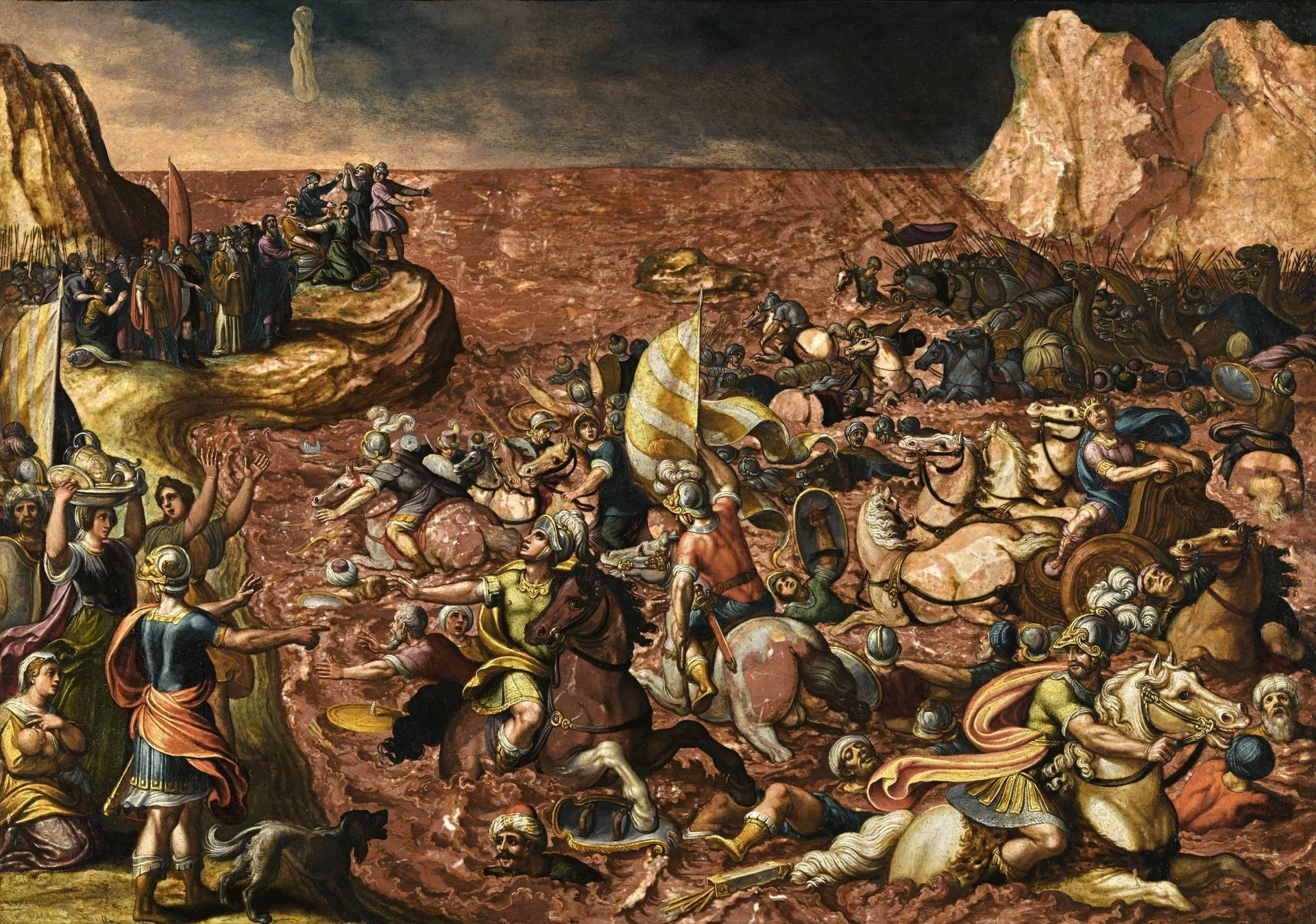
The Iron Cage
The Natziv says here that God has not only drowned the Egyptian societal structure which was based on hierarchy, but also the arrogance of it. This arrogance, with which we speed forward, has now pushed us to the brink of a great unknown. Our Torah portion puts limits on this arrogance, in the face of the sea, the natural strength which finally drowns mastery.
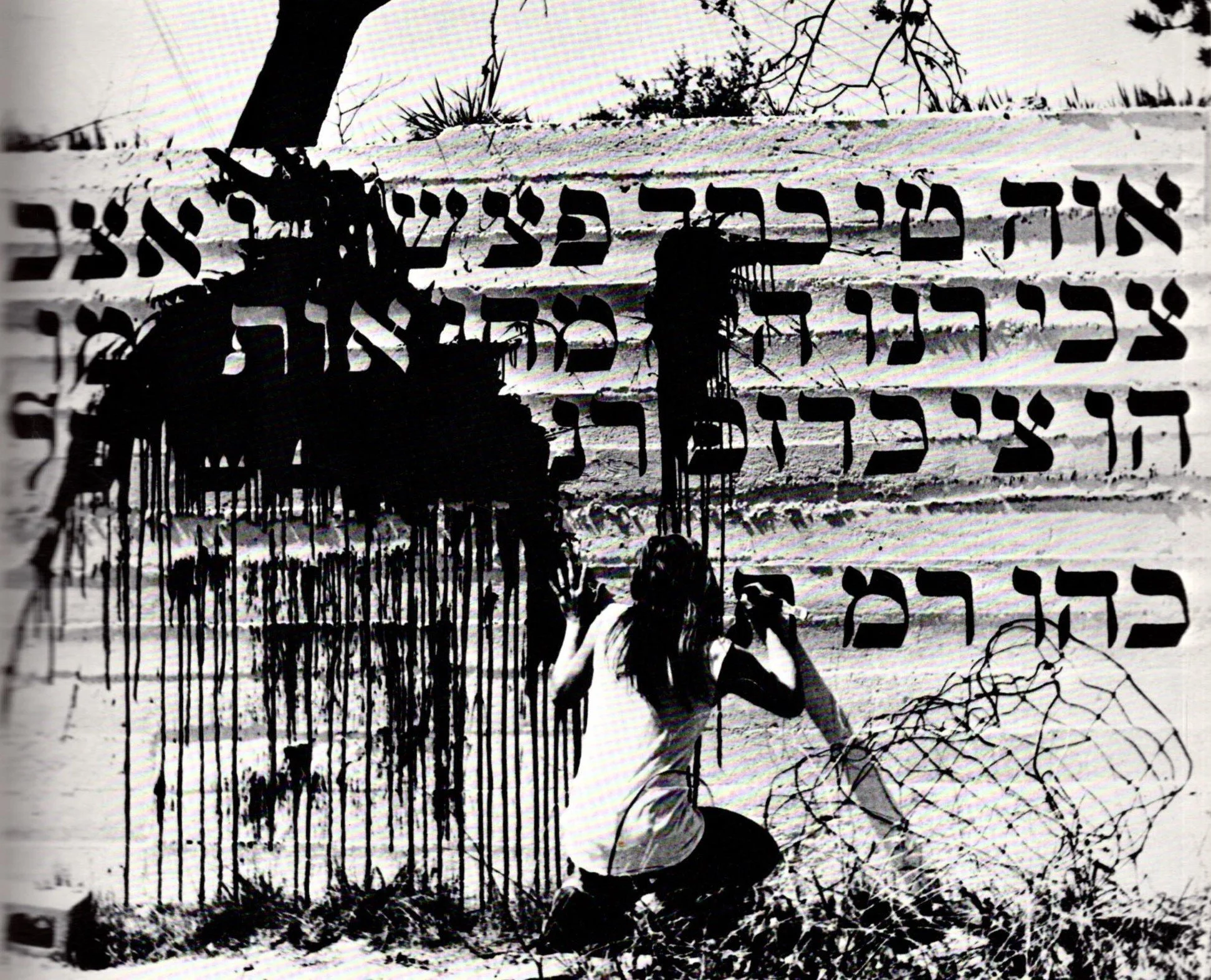
Surrealism Meets Kabbalah
With practice we can be perfectly sane and able to access the ideas in Jewish mysticism without losing ourselves.

Arche-writing
The divine must find a way to communicate itself to human beings, even though for humans to really understand the divine would be impossible.

Subtle Architecture
"The soul of every formed being, and the soul of every being yet to be formed."

Twenty-Two Foundations
Instead of treating the letters as ideas to study, we treated them as something you can rest on, as though the alphabet itself could become a floor beneath the soul.
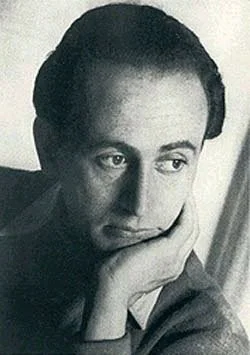
Paul Celan and Ernst Bloch on Clarity
It is fascinating to me how Celan’s lack of clarity leads readers to assume that he is talking about the Holocaust indirectly. How can this be the case, that lack of clarity leads us to an obvious explanation?
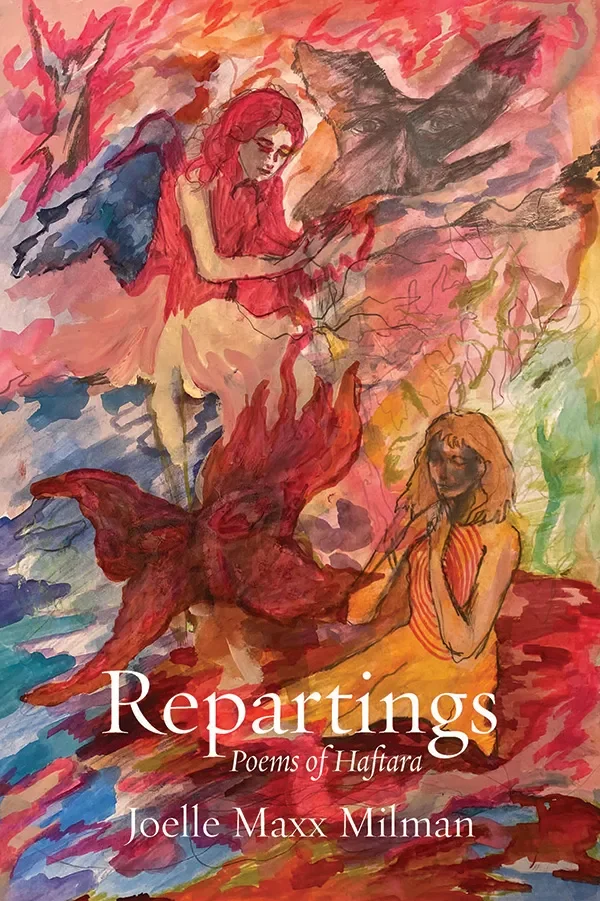
Repartings: Poems of Haftara by Joelle Maxx Milman
Don’t be fooled by the lightness and indiscretion of the poetry, because this is what props open the door for the honest conversation with God and tradition that Joelle seeks.

Walking Away
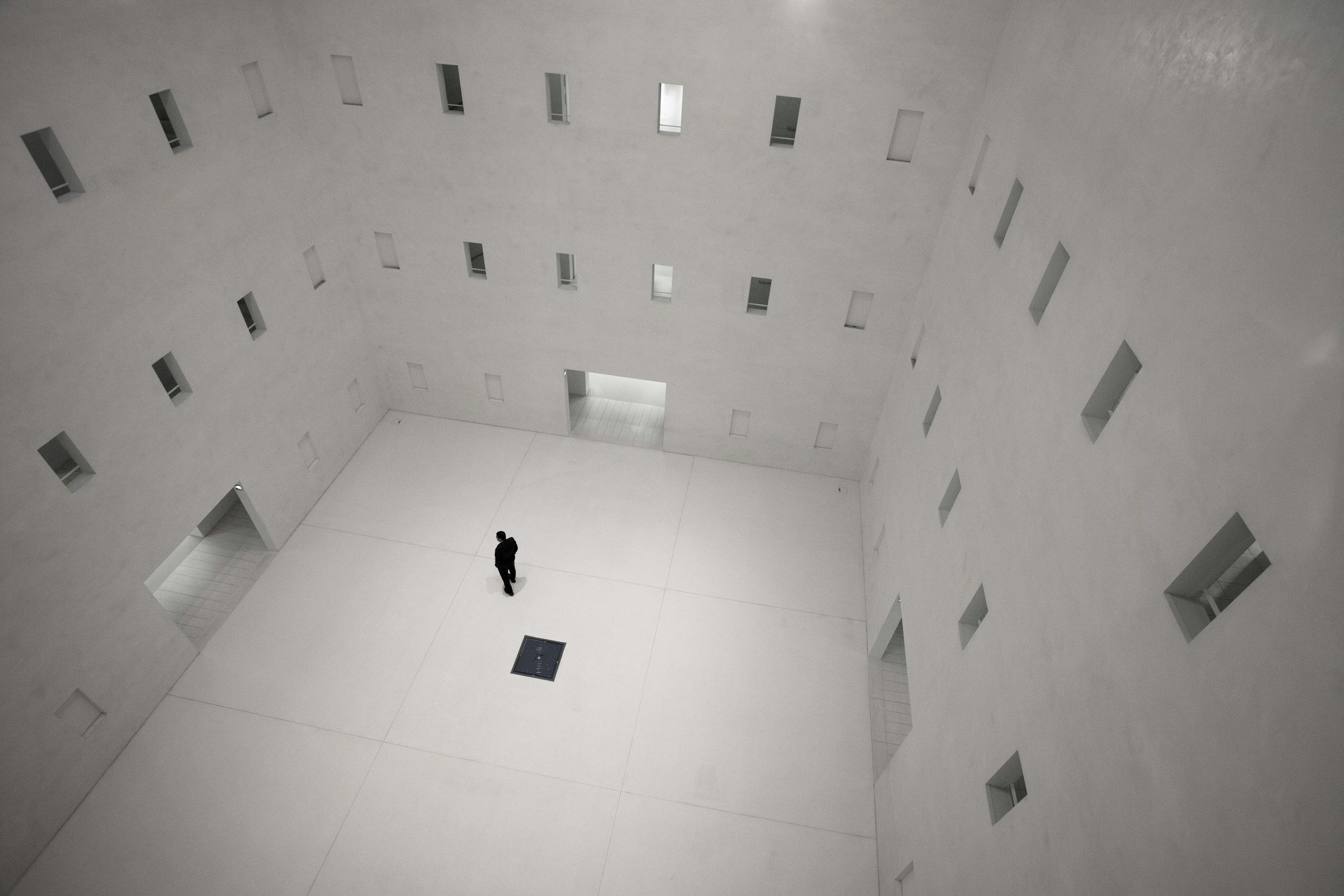
The radical act of freedom is withdrawal, destroying the system by simply exiting the game. Freedom might be as simple as… walking away.
Justice and Mercy
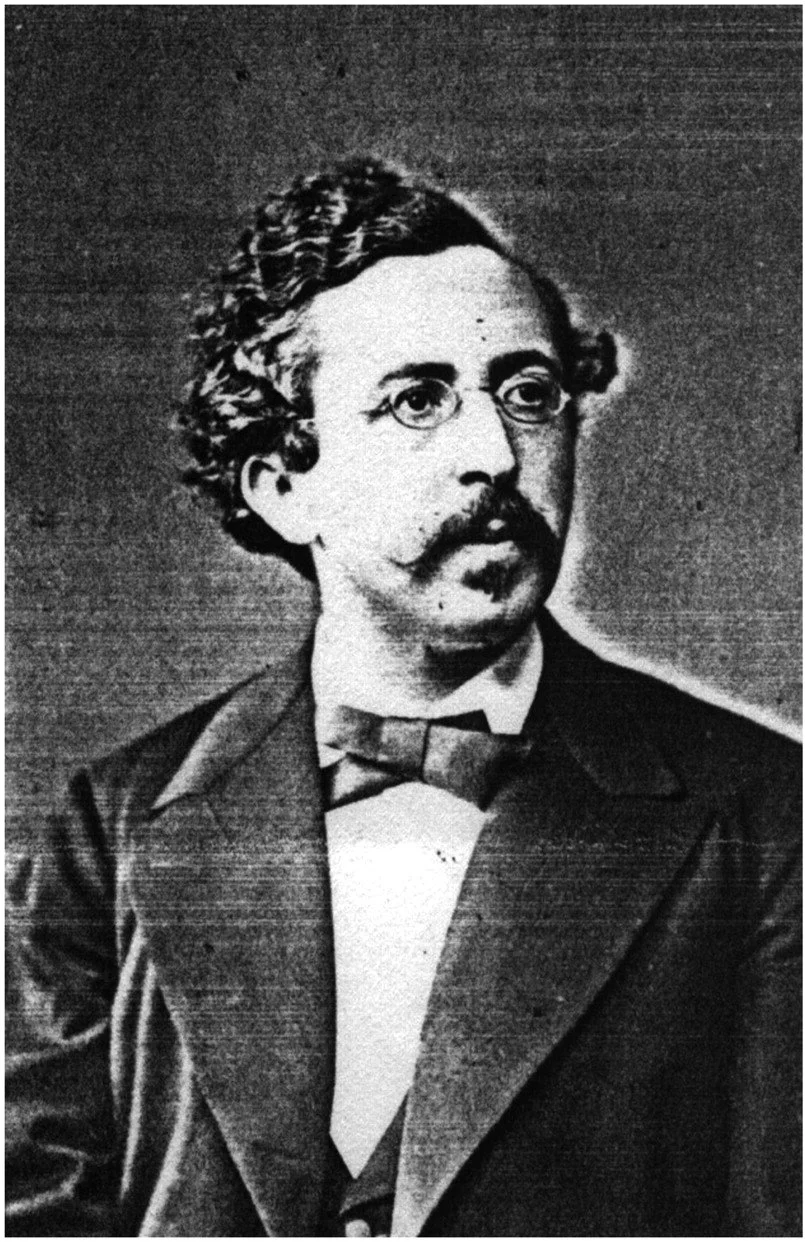
Hermann Cohen suggested that the concepts of sin, atonement and Teshuvah in Judaism were the actual vehicles through which this transformation occurs.

“Utopia and Dissent”
“In a Bohemian household you have immediacy to all the arts so that you are going to have some aspect of music, poetry, painting, and also the decoration of things at the same level. The minute they’re picked up, it is part of the thing that you do.”
“The Cult of Nothing and Art as it Must Be”
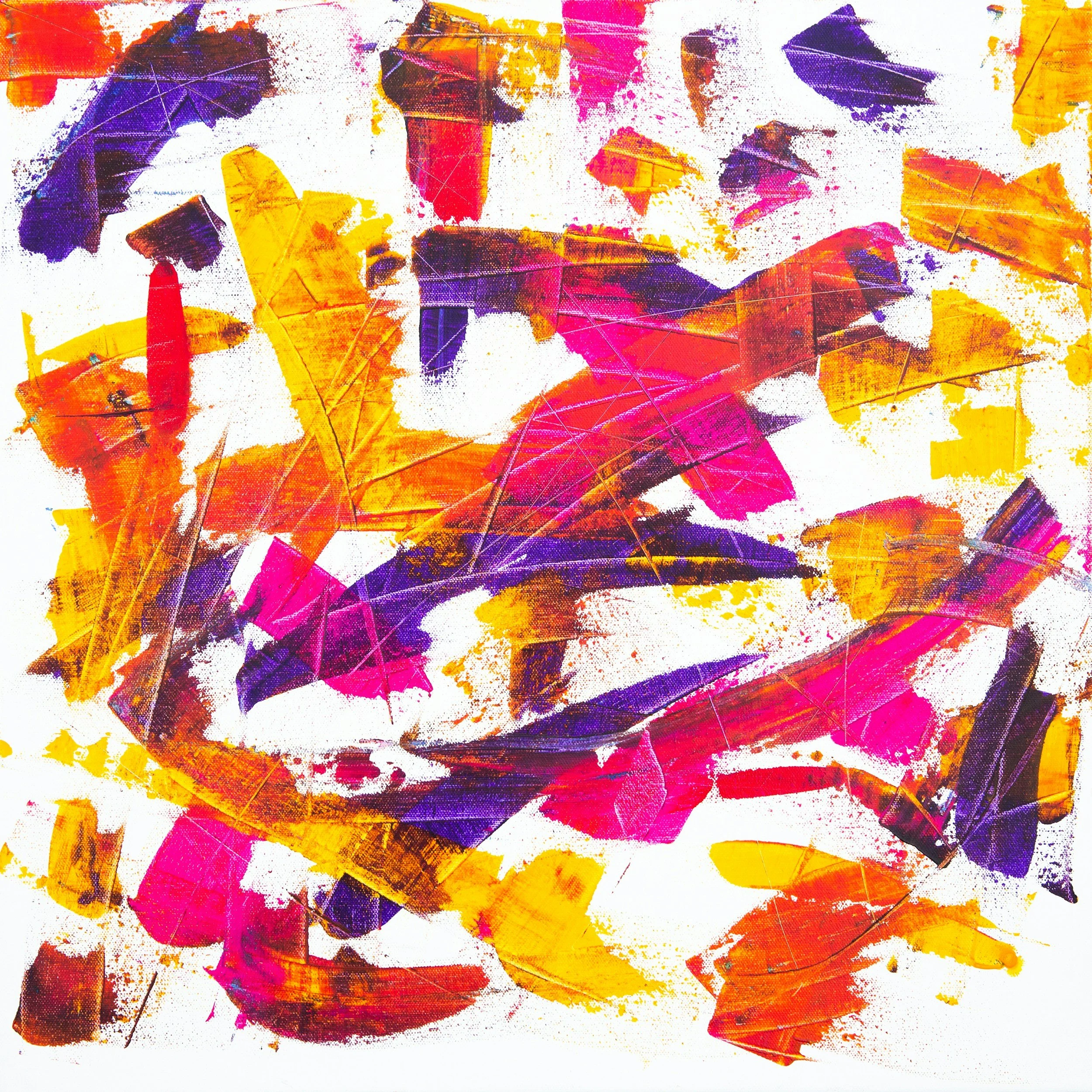
Why should art be clear? Why should art be clear when life and experience are not?

A Sealed Center: Making Room for the Soul
There are times when the soul needs a boundary of protection that doesn’t harden into armor. A container that doesn’t become a cage. A protected space that still has breath in it.

The Matrix and Assimilation
Any viewer of The Matrix understands the idea that our constant need to conform prevents us from asking questions which might undermine the entire existence we choose to give in to. It is always the very few who dare to dig underneath.
People without Names
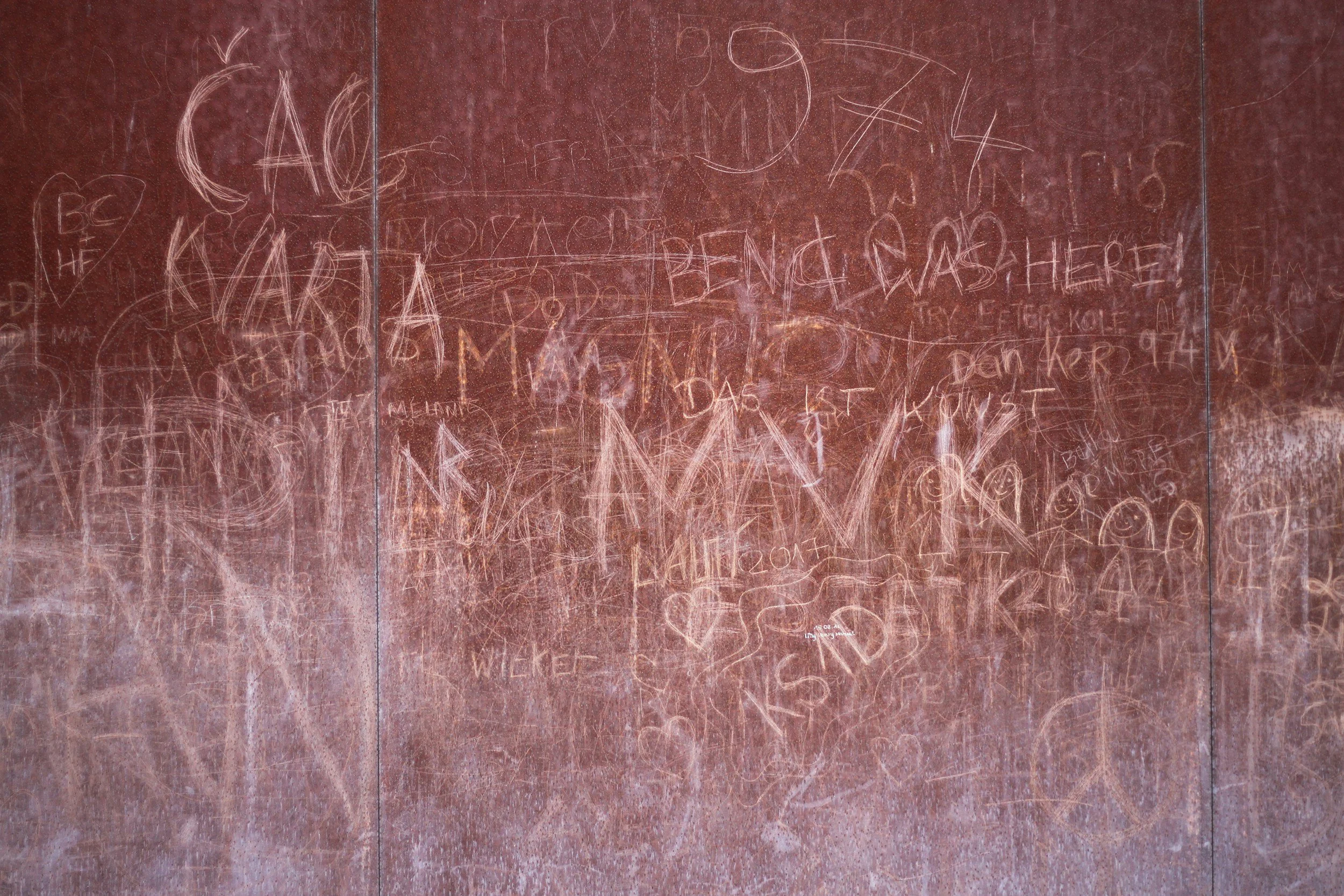
Throughout the Tower story there are no names. Only when their story has ended does the history that left off with Noah and his sons return. “This is the line of Shem. Shem was 100 years old when he begot Arpachshad, two years after the Flood.” [Genesis 11:10]. Shem’s name is the word name.

Torah and Intertextuality
“In this volume I have attempted to convey my relationship with the Bible as ‘Torah,’ a book that in many ways is studied like all other books, but whose ultimate purpose is to guide and inspire, to be deeply affecting in the human search for a godly existence.”

Separation of Religion and State
As some people mistakenly think, Leibowitz’s loud call for the separation of religion and state in Israel was not an attempt to protect liberal values. Though Leibowitz was a liberal and did in fact hate seeing the rights of secular Israelis being trampled by religious oppression, his call to separate religion and state came from his attempt to protect religion itself.
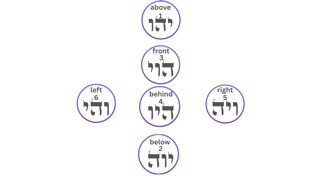
Meditation on the Six Directions
We will seal the gates with attention, intention and the sacred letters. We're sealing from the center, not pushing the world away, rather just clarifying the boundary of the space that we're inhabiting. And we're going to move through the sixth directions above, below, east, west, south, north, each sealed with a permutation of the divine letters.
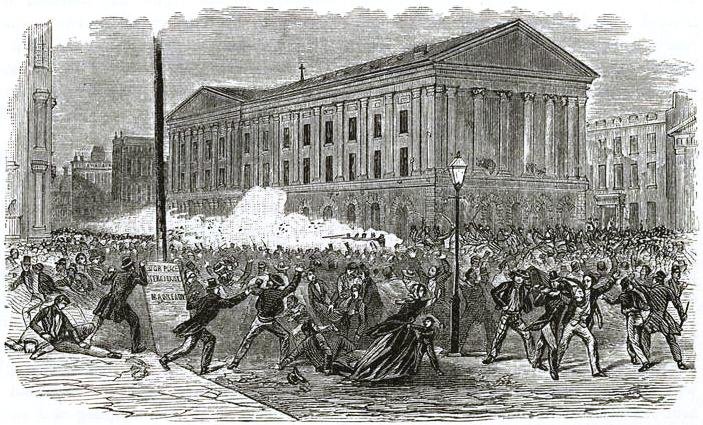
Highbrow Culture
The most extreme moment in American theater history came in the form of the 1849 Astor Place Riot in Manhattan, when at least 22 people died after a mob fought the New York police and the state militia. It was the manifestation of a battle represented by the feud between two British and American Shakespearean actors, William Charles MacReady and Edwin Forrest.
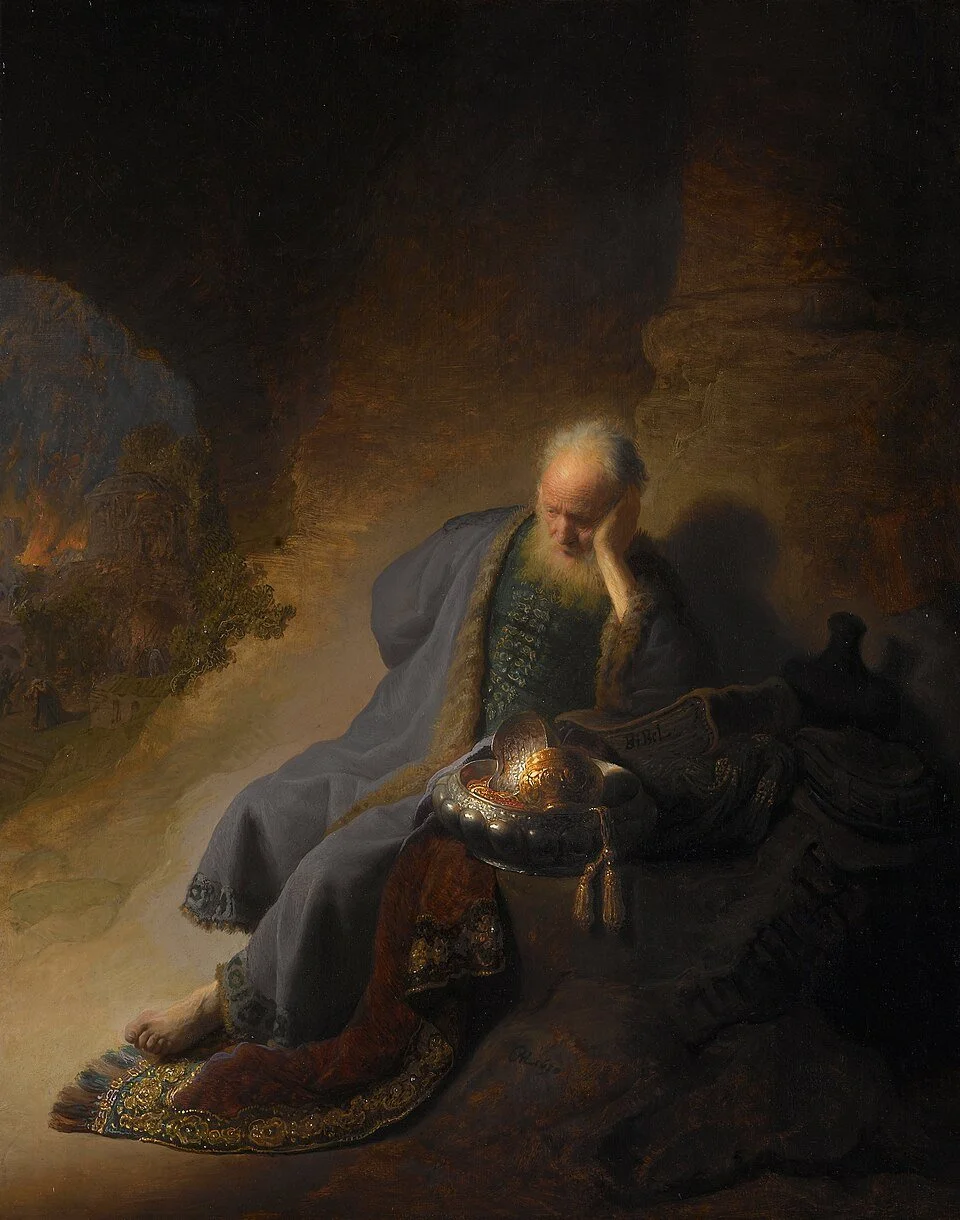
Jewish Views on Slavery
Our prophets viewed the release of slaves as a messianic promise, and our later texts such as the Talmud viewed slavery so harshly and their laws were aimed at the eventual abolishment of the practice.