

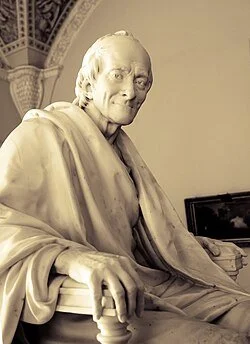
Treatise on Tolerance
In his treatise, Voltaire wrote against religious intolerance and the fanaticism of the church. He claimed that religious intolerance is the cause of war and bloodshed, not, as the state put it, a means to preserve peace and stability.
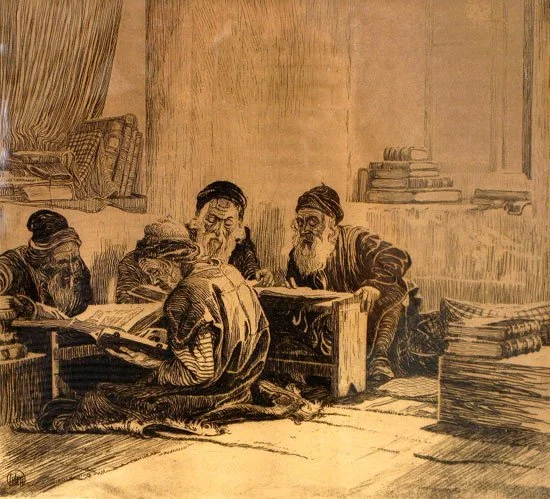
Jewish Lives, Jewish Learning (Part 2)
Jewish learning is not the memorization of a catechism. Getting the right answer is less important in Jewish learning than developing an understanding for oneself of the question and an answer.
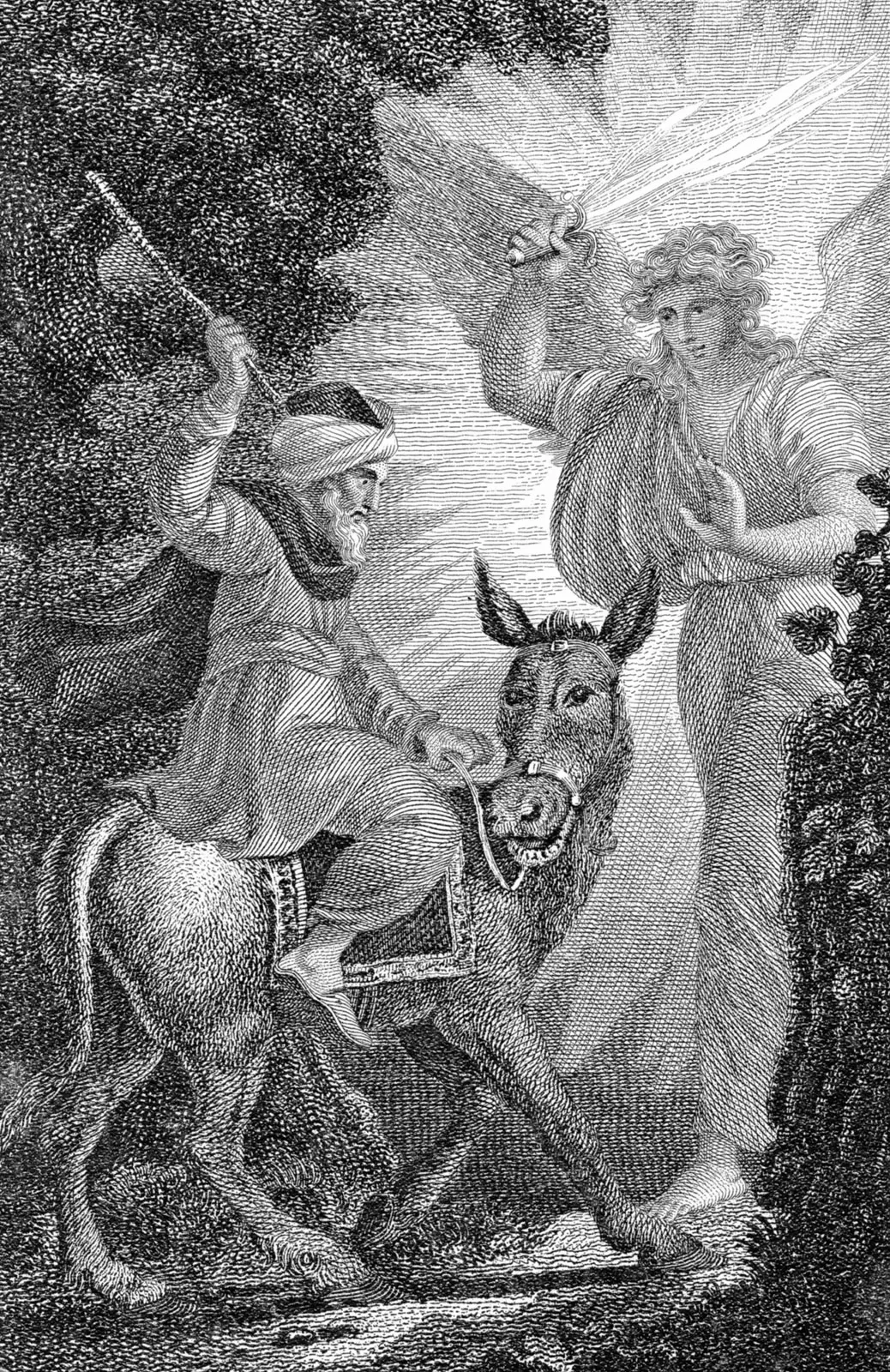
Three Vantage Points
But the question is, what does it actually mean for Jews to be united? As Balak and Balaam discover, the Jewish people cannot be broken into pieces by sorting them into “good” and “bad.”
Jewish Lives, Jewish Learning
Working your way up to a strong level of competency as a Jewish learner is not an end unto itself. It is a foundation for further learning, deeper self-knowledge and a balanced integration of one’s Jewish and secular identity.

Rebbe Nachman’s Story of the Only Son (in Yiddish)
ס׳זענען דאָ לעכער, פֿעלער, אין די מעשה, און אַז מע לייענט פֿרעגט מען וואָס דווקא איז געשען. נאָר דער עיקר איז אין גאַנצן קלאָר: מע זאָל לעבן אָן מורא, און זוכן נישט קיין סיבות צו האָבן מורא. מע זאָל גײען אויף רײַזעס צום צדקן און אים שטעלן די קשיות, און ער וועט געבן גוטע עצות.
Demonizing Korach
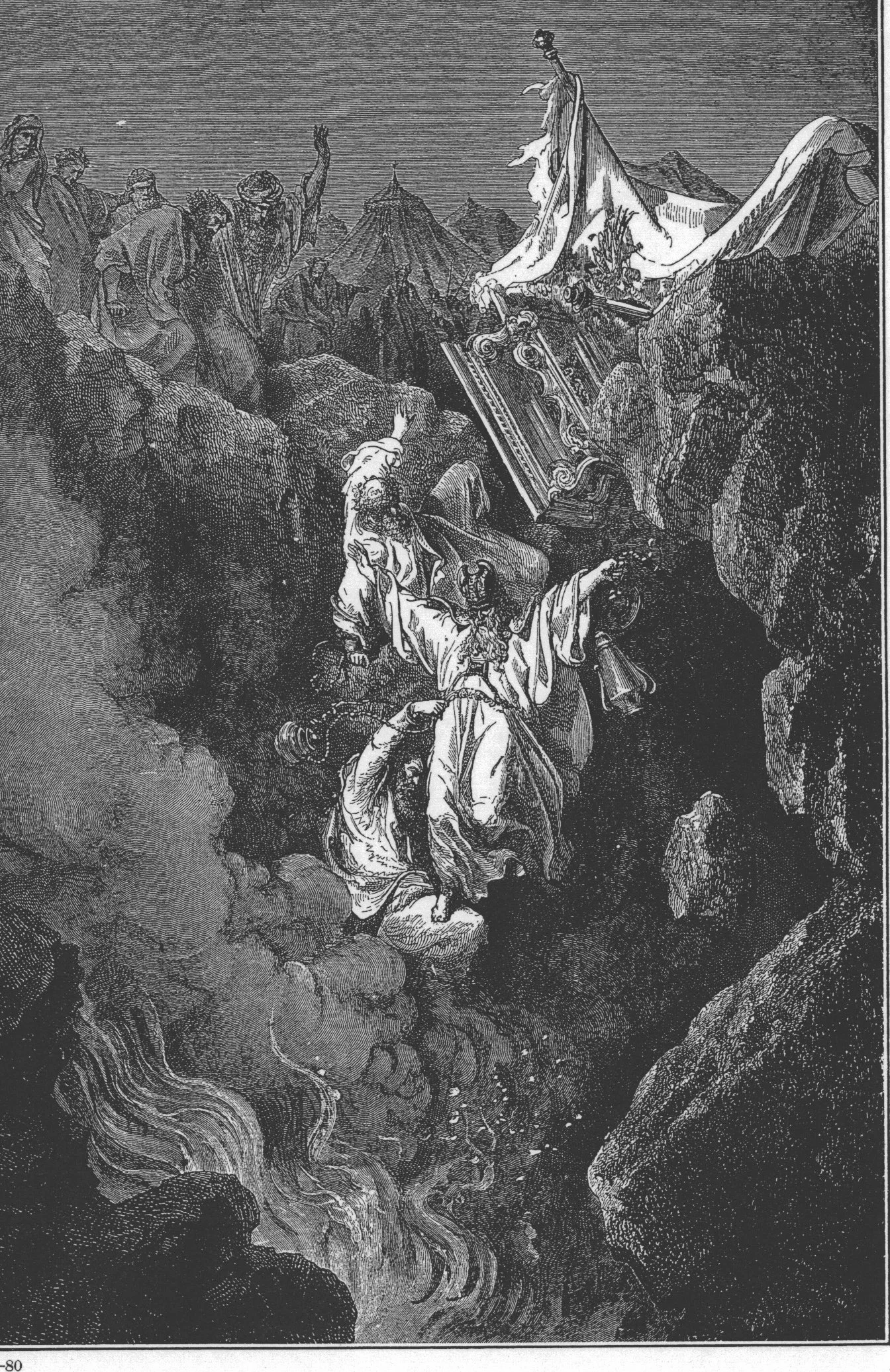
Korach seems unpleasant at least. We can easily judge him for that alone. The rabbis have been much harsher in their judgment.
Freud and Philosophy
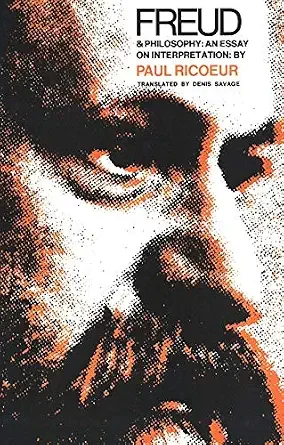
The philosopher Jonathan Lear writes that Freud had 3 primary contributions: “a science of subjectivity; the discovery of an archaic form of mental functioning; the positing of Love as a basic force in nature.”
Moral Decisions
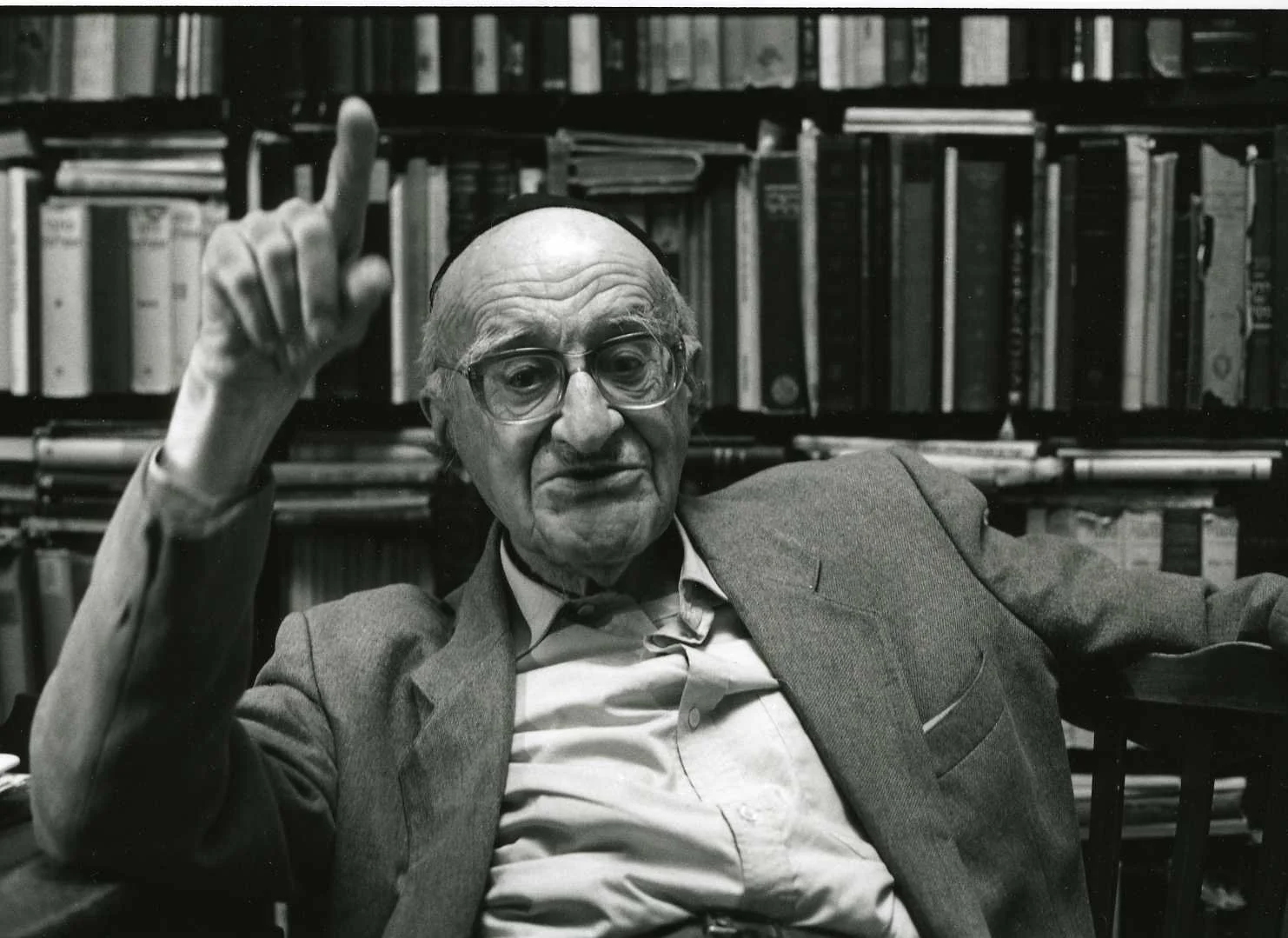
Yeshayahu Leibowitz (1903-1994), the Israeli philosopher, scientist and polymath, raises a question we still grapple with today: what is the “correct will?” Is there such a thing as correct will?

World Cup in Yiddish—Starting 11
Haynt-bay-nakht in Inglewood, Kalifornye, shpilt di manshaft fun di fareynkte shtatn kegn paraguay. Der internatzionaler bekher haybt zikh on far di amerikaners, der ershter metch in der grupe shtapl. Shpayter, ire kegners veln zayn oystraliye un turkay.
Daniel Persky: Slave to the Hebrew Language
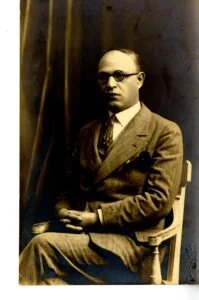
Persky's obsessive focus on Hebrew language and literature was no longer in sync with Jewish society even to the extent that it had been between the years 1910 and 1925. Persky was always at the center of American Hebraism. Sadly, after the 1920s the movement itself drifted farther and farther from the center of American life.
Citizens Governing Themselves
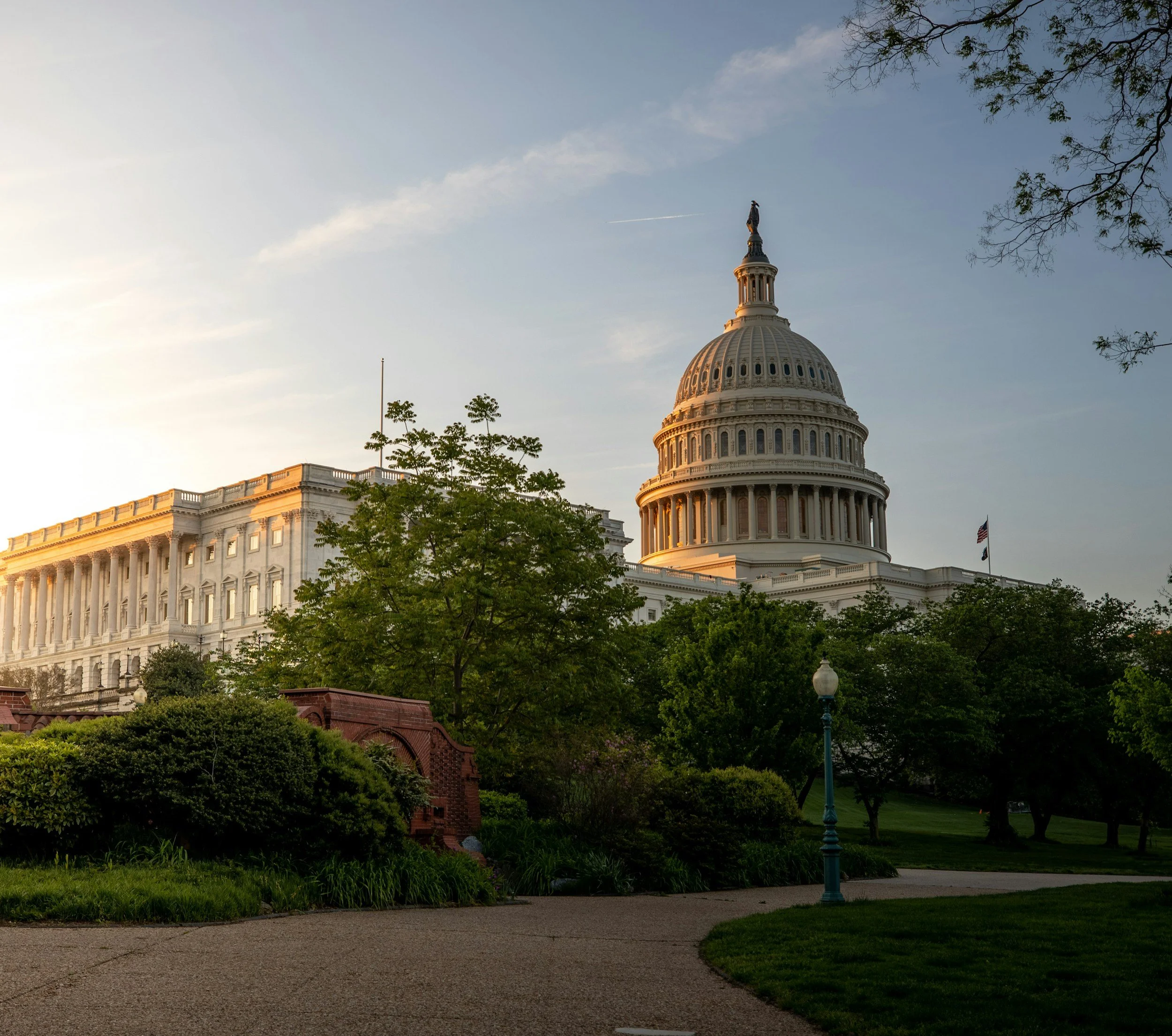
Can ordinary citizens be trusted to govern themselves? This question is centuries old and the answer to it usually determines one’s position towards democracy.
Woody Guthrie’s “Deportee”
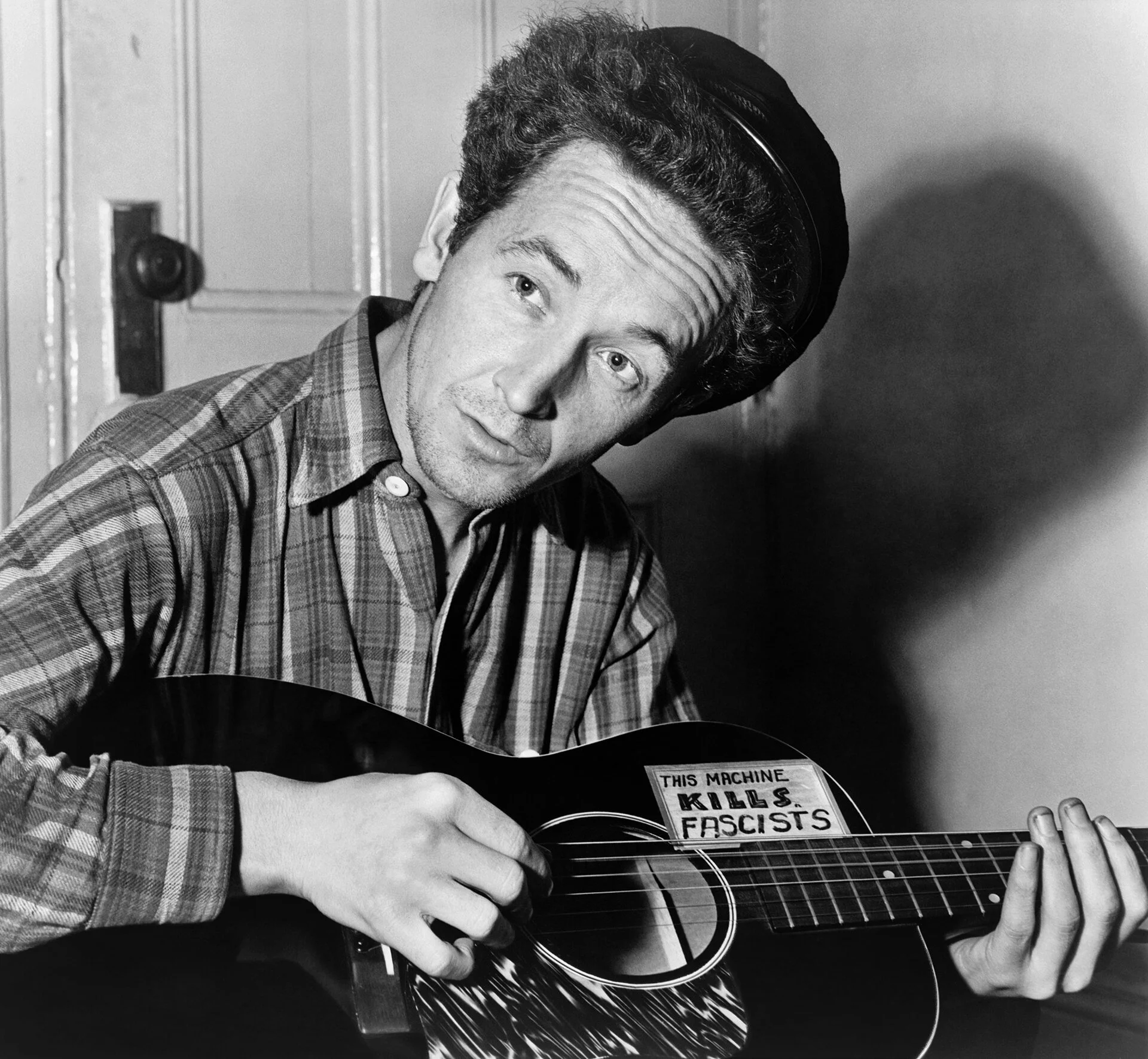
I went down the rabbit hole on “Deportee,” after finding that it appeared on Dolly Parton’s 1980 album “9 to 5 and Odd Jobs.”
די נײַע ייִדישע קולטור
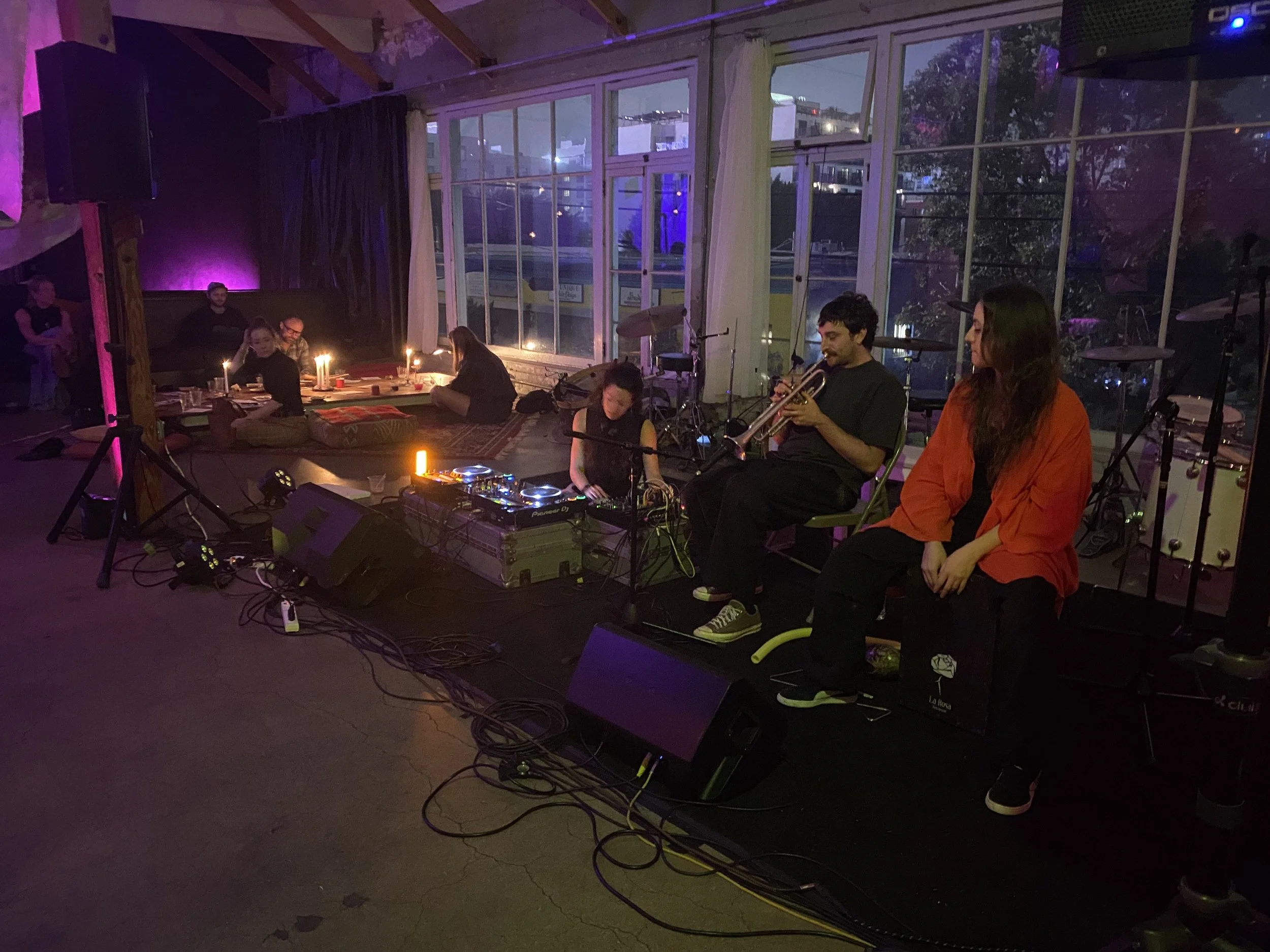
אין דעם פֿאַרלויף פֿון דער צײַט, האָב איך ביסלעכװײַז פֿאַרשטאַנען װאָס רבֿ האָלאַנדער האָט מיך אָפֿטמאָל באַטאָנט: מע דאַרף אַ נײַע ייִדישע קולטור אין אַמעריקע.
Chabad is Chochmah, Binah, and Da’as
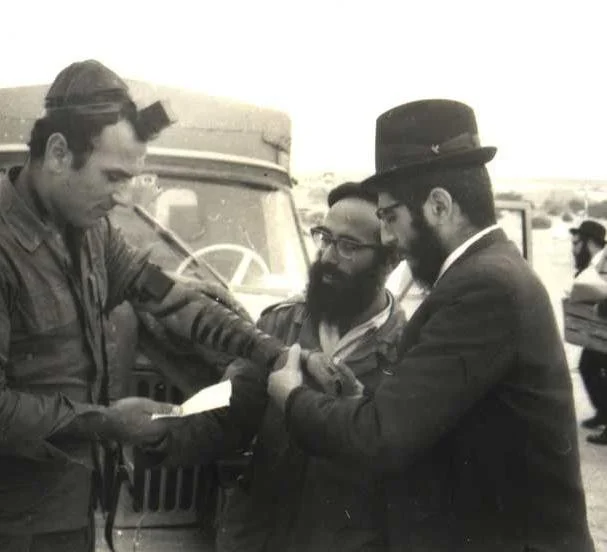
The rebbe leading our discussion said that Chabad is the most intellectual Hasidus.


Downtown Before Sundown
At its heart, this game transforms a familiar Los Angeles frustration, trying to cross the city before Shabbos, into an opportunity for shared experience to anyone who drives here.
The Necessary Barrier of Language
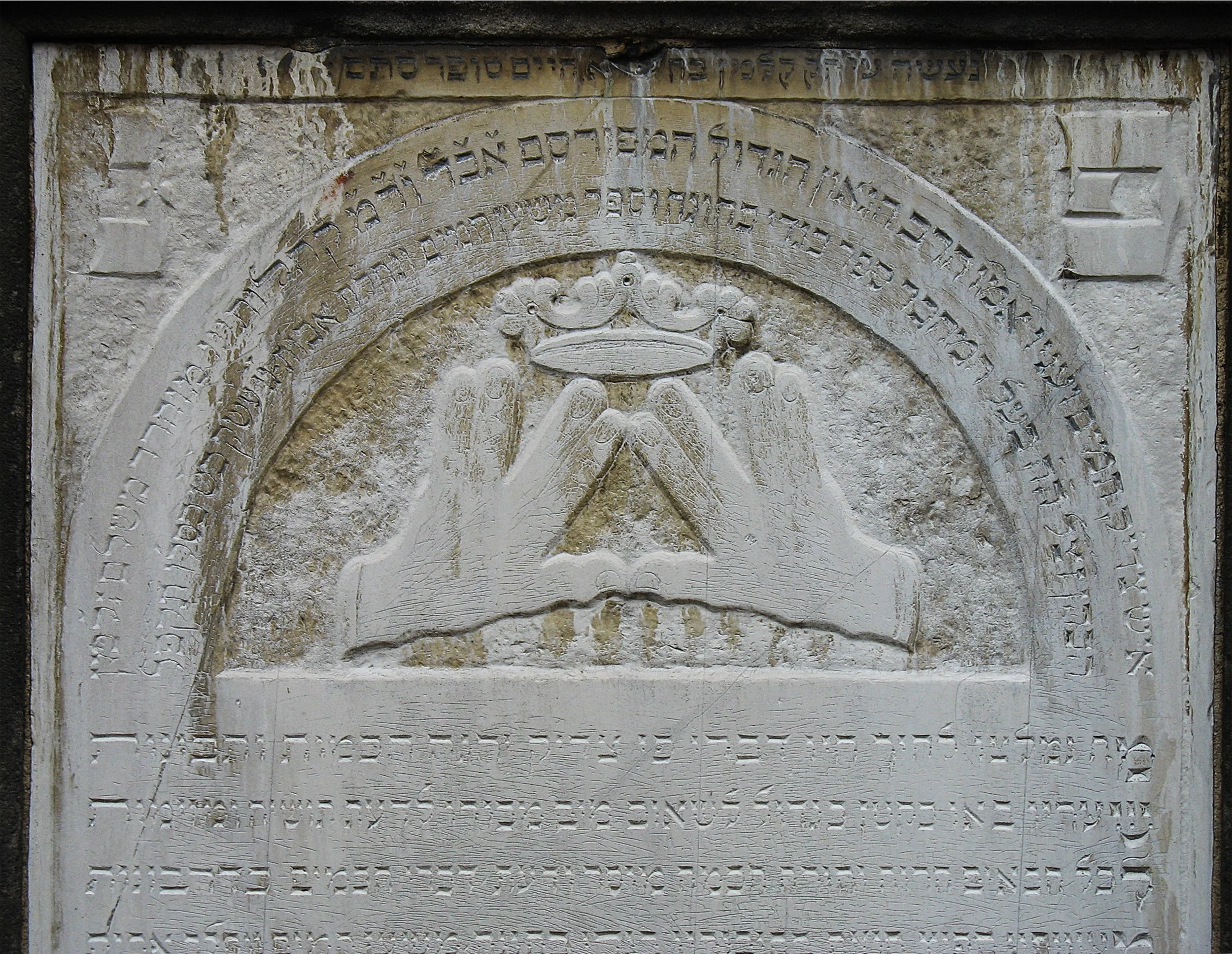
The priestly blessing articulated in this week’s parshah Naso is one of the most ancient and poignant passages in the Torah.
The Poetry of Charles Reznikoff
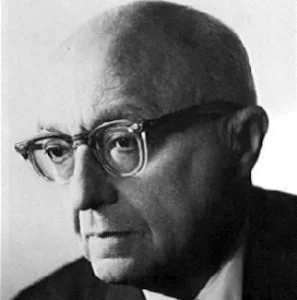
As opposed to “The Waste Land,” which deals with post-war disillusionment with a display of many modernist poetic elements, Reznikoff’s untitled poem strips away older poetic elements like metaphor and the pathetic (a storm in nature coincides with the stormy feelings of the poet).
Anti-Philosophy and 220,000 Angels
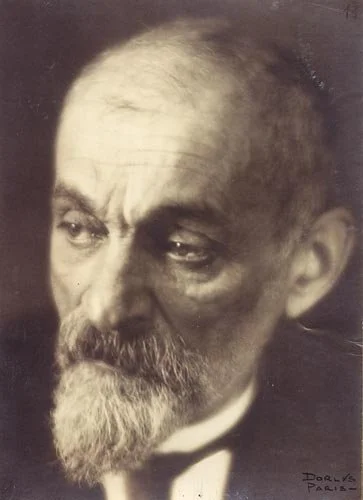
Shestov’s writings challenged the authority of reason, logic, and “self-evident truths,” arguing that philosophy had too often ignored the uncertainty, suffering, and chaos at the center of human existence.
Objectivist Poetry
I thought I would begin with a group of Twentieth Century poets: Charles Reznikoff, Carl Rakosi, Louis Zukofsky and George Oppen. Together they were referred to as the “Objectivist Poets.” None were particularly happy with the name, though they were united in a desire to bring the real world into poetry.